
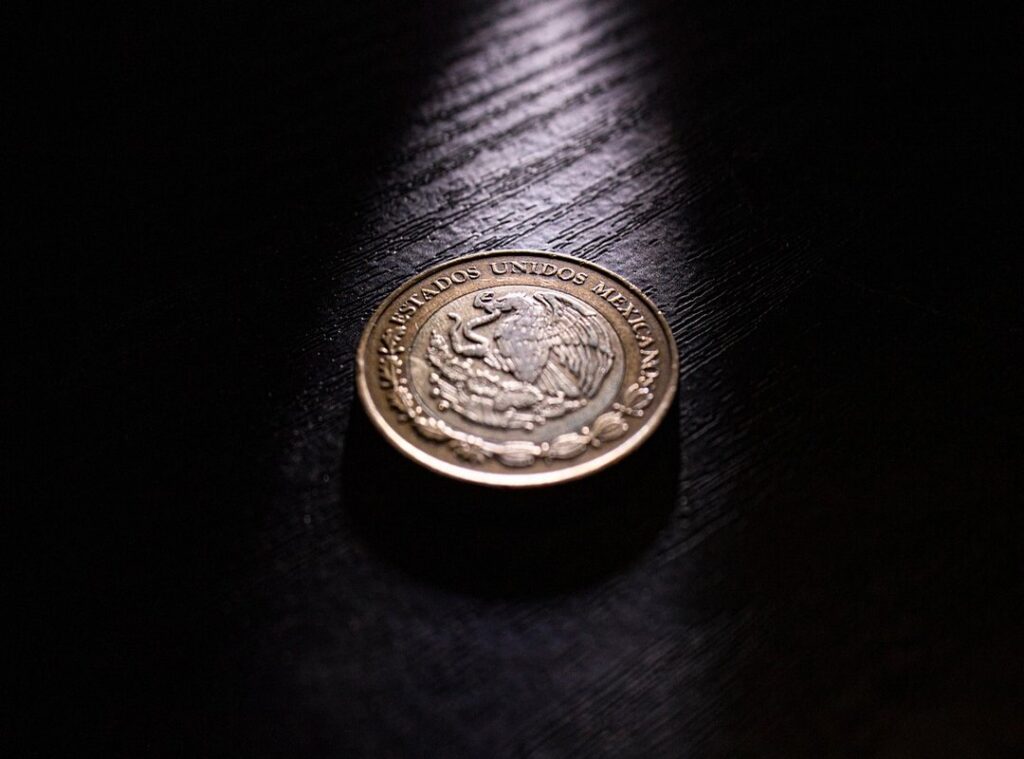
So, you want to know how much 60 mil pesos chilenos a pesos colombianos is, right? The current market rate is [Current Market Rate], but remember, this number changes daily.
I’ll show you not just the number but also how to get the best possible rate for your transfer. You see, the ‘official’ rate isn’t always what you end up with. There are fees and spreads that can eat into your money.
Don’t worry, though. I’ll walk you through the whole process, from checking the rate to getting those Colombian pesos in your pocket. Trust me, it’s simpler than you think.
Understanding the CLP to COP Exchange Rate: What Drives the Value?
Let’s start with the mid-market rate. It’s the real exchange rate without any added fees, the one you see on Google or Reuters. Simple, right?
Inflation rates in Chile and Colombia play a big role. If inflation is higher in one country, its currency tends to weaken. Central bank policies also matter.
When banks raise interest rates, it can make their currency more attractive.
Commodity prices are another key factor. For Chile, it’s copper; for Colombia, it’s oil. When these prices go up, the respective currencies often strengthen.
Think of it like the price of avocados. If there’s a shortage, prices go up. If there’s a surplus, prices drop.
The same goes for currencies.
Now, why is the rate offered by a bank or a money transfer service different from the mid-market rate? It’s all about the spread. Banks and services add a margin to the mid-market rate to make a profit.
- Mid-market rate: 1 CLP = 0.45 COP
- Typical bank rate: 1 CLP = 0.43 COP
If you’re converting 60 mil pesos chilenos a pesos colombianos, here’s what happens:
- Using mid-market rate: 60,000,000 CLP * 0.45 COP = 27,000,000 COP
- Using typical bank rate: 60,000,000 CLP * 0.43 COP = 25,800,000 COP
See the difference? You lose 1,200,000 COP just because of the spread. Knowing this can help you find better deals and save money.
How to Transfer 60 Million CLP from Chile to Colombia: A Step-by-Step Guide
Transferring 60 mil pesos chilenos a pesos colombianos can be a bit of a journey, but it doesn’t have to be a headache. Let’s break it down.
First, the traditional way: heading to your local bank branch. You’ll need to gather all the recipient details, like their full name, bank name, account number, and national ID number (RUT in Chile, Cédula in Colombia). The bank will also ask for the SWIFT/BIC code.
It’s a bit like filling out a form at the DMV—tedious but necessary.
Once you’ve got everything, you’ll sit down with a bank teller. They’ll type away on their computer, and you’ll probably hear the soft clack of keys. The whole process can take a few minutes, and then you wait.
Usually, it takes about 3-5 business days for the money to show up in the recipient’s account. That’s a lot of waiting.
Now, let’s talk about the modern way: using an online money transfer service like Wise or Remitly. This is where things get a bit more streamlined. You set everything up from the comfort of your home.
No lines, no paperwork. Just a few clicks on your computer or taps on your phone. The fees are generally lower, and the transfers happen faster, often within 24 hours. 60 mil pesos chilenos a pesos colombianos
Plus, you usually get better exchange rates. It’s like switching from snail mail to email.
Here’s a quick checklist to make sure you’ve got everything:
– Recipient’s full name
– Recipient’s bank name
– Recipient’s account number
– Recipient’s national ID number (RUT in Chile, Cédula in Colombia)
Double-checking all this info is crucial. One wrong digit can mean delays or even lost funds. It’s like making sure you’ve got the right address before sending a package.
If the recipient doesn’t have a bank account, cash pickup services like Western Union can be a good alternative. They’re fast and convenient, though the fees might be a bit higher. It’s like choosing between a taxi and a bus—both get you there, but one is quicker and costs a bit more.
So, whether you go the traditional route or opt for the modern, online method, just make sure you’ve got all the details right. It’s all about making the transfer as smooth as possible.
Avoiding Hidden Fees: How to Maximize Your Colombian Pesos

When I first started transferring money, I thought a $0 fee meant I was getting the best deal. Boy, was I wrong. Turns out, those services often make up for it with a poor exchange rate.
The total amount received is what really matters.
Transfer fee: This can be a flat or percentage-based fee.
Exchange rate margin: Also known as the ‘spread’, this is where many services sneak in extra costs.
I once transferred 60 mil pesos chilenos a pesos colombianos and ended up with way less than I expected. The bank’s high fees and poor exchange rate were the culprits.
| Service | Transfer Fee | Exchange Rate | Final COP Amount |
|---|---|---|---|
| Bank | $30 | 1.25 | 47,980,000 COP |
| Online | $0 | 1.30 | 46,150,000 COP |
See the difference? The online service had no upfront fee but a worse rate, resulting in fewer pesos.
Always compare at least three services before transferring. Look for first-time user promotions. They can save you a lot.
Avoid transferring on weekends. Rates can be worse then. Trust me, I’ve learned this the hard way.
One more thing: receiving bank fees. Sometimes, the recipient’s bank in Colombia charges a fee to accept an international wire. Some online services can help avoid this, so check that too.
Making Your International Money Transfer with Confidence
The key takeaway is that to get the best value for your 60 mil pesos chilenos a pesos colombianos, you need to look beyond just the advertised transfer fee. Focus on the final amount received.
First, compare the offered exchange rate to the mid-market rate. Then, add up all fees to understand the true cost.
You now have the knowledge to avoid common pitfalls and choose the best transfer method for your needs.
Use a real-time comparison tool now to see which service offers the best rate for your CLP to COP transfer today.
 Tamilat Coley is the kind of writer who genuinely cannot publish something without checking it twice. Maybe three times. They came to game reviews and critiques through years of hands-on work rather than theory, which means the things they writes about — Game Reviews and Critiques, Expert Opinions, Latest Gaming News, among other areas — are things they has actually tested, questioned, and revised opinions on more than once.
That shows in the work. Tamilat's pieces tend to go a level deeper than most. Not in a way that becomes unreadable, but in a way that makes you realize you'd been missing something important. They has a habit of finding the detail that everybody else glosses over and making it the center of the story — which sounds simple, but takes a rare combination of curiosity and patience to pull off consistently. The writing never feels rushed. It feels like someone who sat with the subject long enough to actually understand it.
Outside of specific topics, what Tamilat cares about most is whether the reader walks away with something useful. Not impressed. Not entertained. Useful. That's a harder bar to clear than it sounds, and they clears it more often than not — which is why readers tend to remember Tamilat's articles long after they've forgotten the headline.
Tamilat Coley is the kind of writer who genuinely cannot publish something without checking it twice. Maybe three times. They came to game reviews and critiques through years of hands-on work rather than theory, which means the things they writes about — Game Reviews and Critiques, Expert Opinions, Latest Gaming News, among other areas — are things they has actually tested, questioned, and revised opinions on more than once.
That shows in the work. Tamilat's pieces tend to go a level deeper than most. Not in a way that becomes unreadable, but in a way that makes you realize you'd been missing something important. They has a habit of finding the detail that everybody else glosses over and making it the center of the story — which sounds simple, but takes a rare combination of curiosity and patience to pull off consistently. The writing never feels rushed. It feels like someone who sat with the subject long enough to actually understand it.
Outside of specific topics, what Tamilat cares about most is whether the reader walks away with something useful. Not impressed. Not entertained. Useful. That's a harder bar to clear than it sounds, and they clears it more often than not — which is why readers tend to remember Tamilat's articles long after they've forgotten the headline.