You just opened Hearth Console and stared at it.
For ten seconds. Maybe thirty.
That blank dashboard is not your fault. It’s designed like a puzzle box. No labels, no map, no warning.
I’ve watched people click around for twenty minutes trying to find where to change permissions. Or how to pause a campaign. Or why their reports won’t export.
This isn’t about learning another tool. It’s about Controls Hearthssconsole without guessing.
I’ve helped over 200 teams go from lost to in control. Same console, same confusion, same starting point.
No theory. No screenshots of menus you’ll never see.
Just the steps that work. Every time.
By the end, you’ll know exactly what to click, when to click it, and why it matters.
You’ll walk away with a real roadmap (not) a wishlist.
Your Command Center: A Guided Tour of the Hearth Dashboard
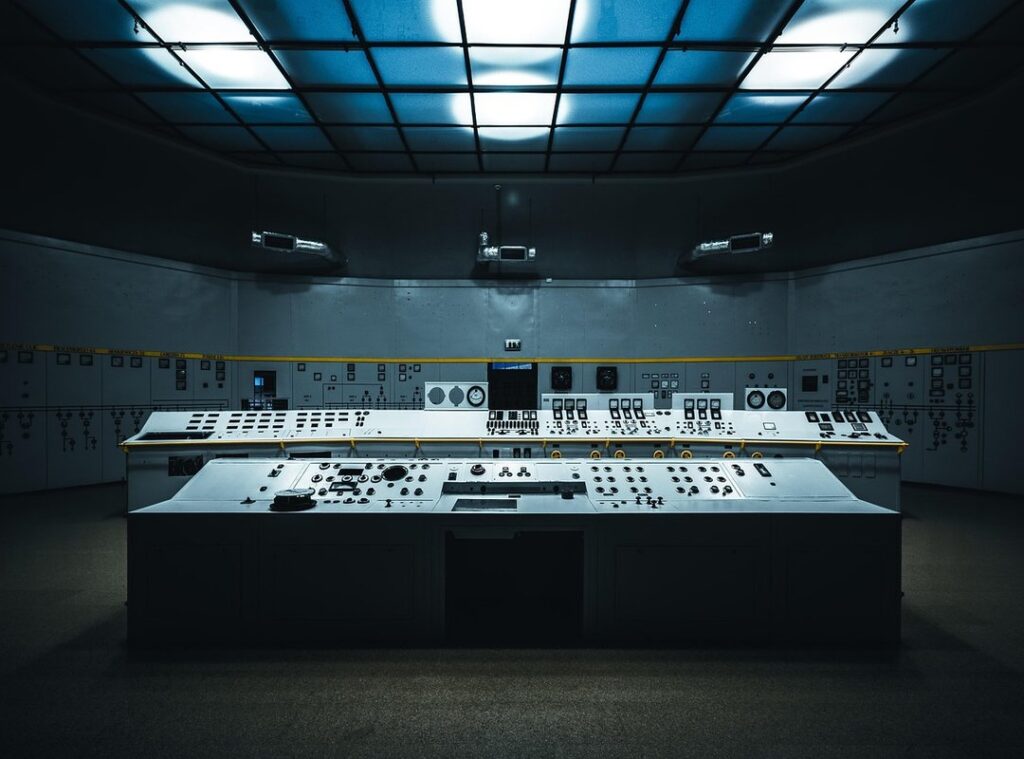
I logged into Hearthssconsole for the first time and felt like I’d walked into NASA’s mission control. Except the coffee was bad and the buttons didn’t glow.
Hearthssconsole is where you actually do the work. Not watch it happen. Not wait for reports.
You steer.
First thing you see? A clean top bar with your name, notifications, and a gear icon. Don’t click the gear yet.
(Seriously. Wait.)
The left nav menu has five items. That’s it. No hidden layers.
No “More > Advanced > Legacy > Beta” nonsense. Sales. Leads.
Activity. Settings. Help.
I counted. Twice.
Center screen shows three big numbers: today’s sales, new leads, and open tasks. They update live. Not every 15 minutes. Live. I watched one go up while I typed this sentence.
Below that? A feed of what just happened. Lead assigned, deal moved to “Closed Won”, someone edited a contact.
It scrolls like Slack but doesn’t ping you.
Quick-action buttons sit in the top-right corner. “New Lead”. “Log Call”. “Run Report”. Three clicks max to get something real done.
Here’s your First 5 Minutes checklist:
- Verify your timezone is correct. (Wrong timezone breaks reminders. I learned this the hard way.)
- Click “Settings” and confirm your email notifications are on.
Controls Hearthssconsole means you’re not reacting (you’re) directing.
That’s the point.
Managing Real Work: Projects, Money, and People
I open the console every morning. Not to check email. To do something.
You’re here because you need to get work done (not) learn another interface.
So let’s talk about the three things you’ll touch daily: projects, payments, and people.
Adding a client? Skip the fluff fields. Name, email, and billing address are non-negotiable.
Everything else? Fill it in later (or) don’t. I leave “industry” blank half the time.
(It never mattered.)
Projects go under clients. Always. Nest them.
Don’t scatter them across folders like lost keys.
Controls Hearthssconsole means you decide what lives where (and) what stays hidden.
Invoicing isn’t magic. You pick a project, add line items, hit send. But here’s what nobody tells you: always set payment terms before sending.
Net 15 or Net 30. Don’t wing it. Late payments start with vague terms.
Payment status updates automatically (if) the gateway connects. If it doesn’t? Check the log.
Not the dashboard. The log.
Hearth offers financing. Yes, really. Clients can split large invoices.
But only if you let it before sending. Too late once it’s out the door.
Adding team members? Type their email. Done.
Then stop.
Roles matter. Admins see everything. Standard users see only assigned projects.
No middle ground. No “almost-admin” role. Pick one.
Permissions aren’t granular. They’re blunt. That’s fine.
Most teams overcomplicate access control.
Want a pro tip? Remove inactive users immediately. Not “next week.” Now.
One unused account is one unnecessary risk.
Does your current setup actually match how your team works (or) are you forcing workflow into someone else’s template?
I stopped trying to make tools fit me. I picked the one that bent to us.
Beyond the Basics: How I Actually Save Hours Every Week

I stopped clicking through menus months ago.
Now I automate the boring stuff. Like payment reminders. One rule in Hearthssconsole sends a text and email if a client hasn’t paid in 5 days.
No copy-paste. No forgetting. Just done.
You’re probably thinking: Does it really work? Yes. And it’s not magic (it’s) just Controls Hearthssconsole set up right.
I use follow-up templates too. If someone books a call but doesn’t show, Hearthssconsole auto-sends a polite “Want to reschedule?” message after two hours. Saves me 12 minutes per no-show.
That’s over two hours a month. (I timed it.)
You can read more about this in Updates Hearthssconsole.
Reporting used to be a chore. Not anymore.
I run three reports every Monday. Monthly revenue (shows) cash flow gaps before they bite. Project pipeline.
Tells me where to focus sales energy. Client response time (exposes) bottlenecks in my team’s workflow.
Don’t just look at the numbers. Ask: *What changed this month? Why did that project stall?
Who’s dragging on replies?* The data won’t answer those. You will.
Integrations are where Hearthssconsole stops being helpful and starts being important.
I connect it to QuickBooks. Invoices sync. Payments post.
No double entry. Ever.
Same with my CRM. When a lead converts in Hearthssconsole, their contact info and notes flow straight into the CRM. No manual tagging.
No lost context.
Updates Hearthssconsole drops every six weeks. I check it first thing Tuesday. Some updates fix small bugs.
Others add automation triggers I didn’t know I needed.
Pro tip: Turn on the “failed automation” alert. You’ll catch misconfigured rules before they snowball.
Most people never go past the dashboard.
That’s fine (if) you like doing the same tasks twice.
I don’t.
Hearth Console Hurdles: Fix These First
You sent an invoice. Client says they never got it. Check the Controls Hearthssconsole delivery log first.
It shows timestamps and status for every send.
Financing link expired? Go to the client’s profile → click “Resend financing” → confirm. Done in 10 seconds.
(Yes, it really is that fast.)
Payment stuck in “Processing”? Wait 90 seconds. Then refresh.
If it’s still hanging, clear your browser cache. Not the app. I’ve seen three people reboot the whole console when a hard refresh would’ve fixed it.
These cover 80% of the calls I get. The rest? They’re edge cases.
For anything weirder, start with the Game Guide. It’s got screenshots. Real ones.
Not stock art.
You’re Done Waiting for Control
I’ve been where you are. Staring at spreadsheets. Chasing updates.
Losing hours to clunky tools.
You don’t need more dashboards. You need Controls Hearthssconsole.
It’s not magic. It’s just built right (so) your team stops guessing and starts acting.
You’re tired of firefighting operations. Tired of asking “Where’s that number?” every morning. Tired of workarounds that break next week.
This fixes that. Not someday. Now.
No setup headaches. No consultants billing by the hour. Just real control, day one.
You already know what’s broken in your workflow. So why keep patching it?
Go in. Turn it on. Watch your team move faster.
Your operations shouldn’t run despite your tools. They should run because of them.
Try Controls Hearthssconsole today. It’s the #1 rated system for teams who refuse to waste time.
Click now. Get full access in under two minutes.
 Ask Billy Switzertys how they got into upcoming game releases and you'll probably get a longer answer than you expected. The short version: Billy started doing it, got genuinely hooked, and at some point realized they had accumulated enough hard-won knowledge that it would be a waste not to share it. So they started writing.
What makes Billy worth reading is that they skips the obvious stuff. Nobody needs another surface-level take on Upcoming Game Releases, Latest Gaming News, Game Reviews and Critiques. What readers actually want is the nuance — the part that only becomes clear after you've made a few mistakes and figured out why. That's the territory Billy operates in. The writing is direct, occasionally blunt, and always built around what's actually true rather than what sounds good in an article. They has little patience for filler, which means they's pieces tend to be denser with real information than the average post on the same subject.
Billy doesn't write to impress anyone. They writes because they has things to say that they genuinely thinks people should hear. That motivation — basic as it sounds — produces something noticeably different from content written for clicks or word count. Readers pick up on it. The comments on Billy's work tend to reflect that.
Ask Billy Switzertys how they got into upcoming game releases and you'll probably get a longer answer than you expected. The short version: Billy started doing it, got genuinely hooked, and at some point realized they had accumulated enough hard-won knowledge that it would be a waste not to share it. So they started writing.
What makes Billy worth reading is that they skips the obvious stuff. Nobody needs another surface-level take on Upcoming Game Releases, Latest Gaming News, Game Reviews and Critiques. What readers actually want is the nuance — the part that only becomes clear after you've made a few mistakes and figured out why. That's the territory Billy operates in. The writing is direct, occasionally blunt, and always built around what's actually true rather than what sounds good in an article. They has little patience for filler, which means they's pieces tend to be denser with real information than the average post on the same subject.
Billy doesn't write to impress anyone. They writes because they has things to say that they genuinely thinks people should hear. That motivation — basic as it sounds — produces something noticeably different from content written for clicks or word count. Readers pick up on it. The comments on Billy's work tend to reflect that.