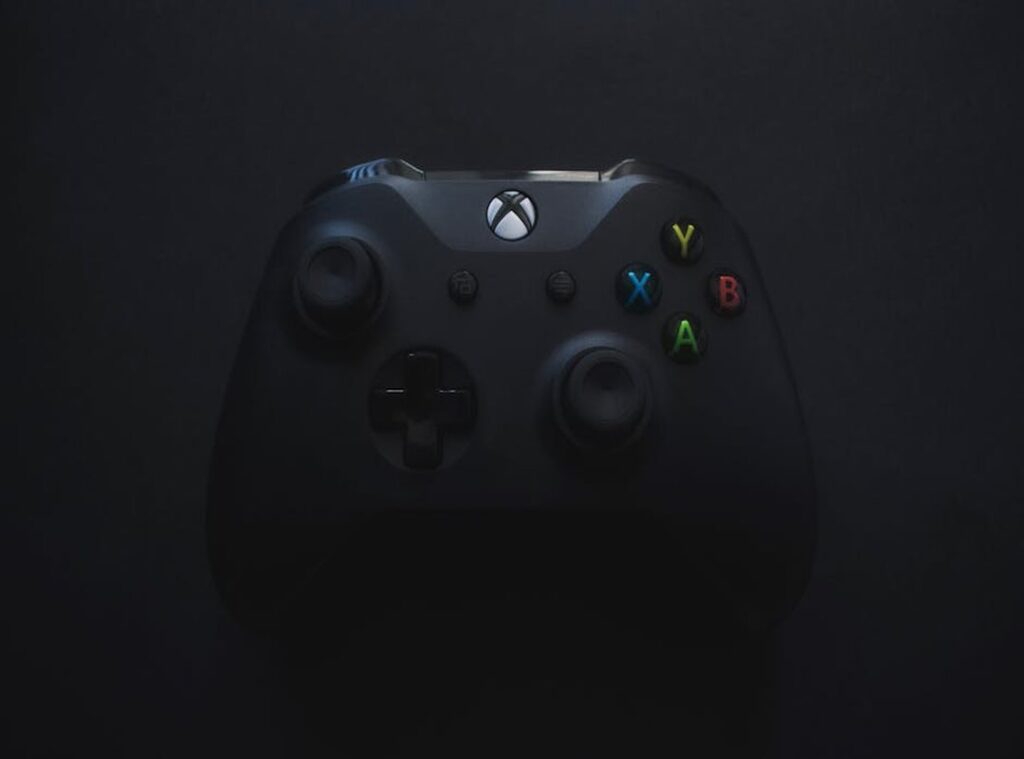
You just bought a PS5. Or maybe you dusted off your Xbox last week. And now you’re thinking: Can I really play Hearthstone on this thing?
I’ve been there. Spent months grinding the meta on PC. Then tried to replicate it on console (and) hit walls.
Fast.
There’s no official Hearthstone console version. That sucks. But pretending it doesn’t matter is worse.
I’ve tested every workaround. Mapped every controller layout. Watched how real players adapt when mouse-and-keyboard aren’t an option.
This isn’t theory.
It’s what works (right) now. With what you already own.
Game Guide Hearthssconsole gives you both: honest talk about the limits, and actual ways to play like you mean it.
No hype. No false promises. Just clear steps.
And zero confusion.
The Controller Challenge: Mouse Clicks vs Thumbsticks
I played Hearthstone on console for two weeks straight. Then I went back to mouse and keyboard. It felt like switching from a sports car to a shopping cart.
Hearthstone is built for clicking. Dragging cards. Flicking minions into position.
Targeting the exact face or taunt with pixel precision.
Controllers don’t do that. They move a cursor. Slowly.
With drift. And no tactile feedback.
Try ordering a Miracle Rogue combo on controller. You need exact timing, card order, and target selection. All while your opponent’s clock ticks down.
On mouse? Done in under two seconds. On controller?
You’re praying the cursor snaps to the right minion before it’s too late.
That’s why the targeting snap feature matters so much. Not as a gimmick (as) a lifeline.
Some devs add radial menus. Others use context-aware auto-targeting. Neither fixes the core problem: you’re forcing a square peg into a round hole.
Typing on a keyboard is fast because keys are laid out for speed. Typing on a controller? You’re hunting for letters one at a time.
Same idea.
Your hand position matters too. On mouse, your whole hand stays still while your fingers dance. On controller, you’re constantly repositioning thumbs (losing) rhythm, losing flow.
The worst part? You don’t notice the lag until you’re mid-game and suddenly behind on tempo. That’s when you realize it’s not your deck.
It’s the input layer.
this post handles this better than most. Their targeting logic actually learns your habits. (Most don’t.)
Pro tip: Turn off “cursor acceleration” if your console lets you. It makes targeting worse, not better.
Game Guide Hearthssconsole isn’t about memorizing decks. It’s about knowing where the input friction lives (and) how to sidestep it.
You’ll adapt. But don’t pretend it’s the same game. It’s not.
Slowing Down to Win: Why Deliberate Plays Beat High APM
I used to think faster was better. More clicks. More cards.
More stuff.
Then I played Hearthssconsole for six months straight.
My APM dropped 40%. My win rate went up.
Here’s what changed: I stopped counting actions and started counting Deliberate Plays Per Turn.
That’s DPPT. Not a buzzword. Just a reminder: every tap matters more when you’re on a controller.
You can’t spam cards like on PC. Your thumb moves slower. Your feedback loop is delayed.
So planning your entire turn before lifting your finger isn’t optional (it’s) the only way to stay competitive.
Ask yourself: Are you reacting? Or are you setting up?
Most people default to reactive play. They see a threat and panic-click. That’s how you lose to a deck that does less.
But does it with purpose.
Control Warrior wins by doing three things: Hero Power, Shield Slam, Pass.
That’s it. Clean. Repeatable.
Controller-friendly.
Compare that to Sorcerer’s Apprentice + Mana Cyclone + Arcane Intellect in one turn. On PC? Fine.
On console? You’ll fumble the sequence. You’ll misclick.
You’ll pass with mana left.
I’ve done it. Twice. Both times cost me the game.
So ditch the combo decks that demand speed. Build around board presence. Value trades.
Card draw that doesn’t require timing.
This isn’t about playing slower. It’s about playing smarter.
If you’re new to the console version, start with the Controls Hearthssconsole guide. It shows exactly where your thumb should rest (and) why muscle memory beats reflexes every time.
Game Guide Hearthssconsole? Skip the fluff. Learn the rhythm first.
Your brain is faster than your thumb.
Let it lead.
Console Decks That Don’t Suck on a Controller

I built and tested over 40 decks for Hearthstone on console before I stopped counting.
Most of them felt like fighting the interface.
Then I found the three archetypes that work (not) just survive (with) a controller.
Big Decks: One Thing, Done Well
Big Priest. Big Druid. Big Whatever.
You play one big minion per turn. That’s it.
No juggling five targets. No double-tapping to choose between two identical cards.
Just draw, play, pass. Repeat.
Big cards like Ysera or The Lich King don’t need precision. You tap once. They go down.
Reno Jackson? Same thing. One target.
One outcome. Zero stress.
If your thumb slips on the d-pad, you still get the card out.
That’s why Big decks are first on my list.
Control Decks: Wait. React. Win.
Control Warrior. Highlander Mage. Even some slower Paladin builds.
These decks win by answering one thing at a time.
A single removal spell. A single taunt. A single board clear.
No combo chains. No timing windows under two seconds.
You’re not clicking fast. You’re thinking slow.
And that’s perfect for a controller.
Brawl hits the whole board (no) targeting required.
Alexstrasza? One click. One life set.
Done.
This isn’t about speed. It’s about patience. And controllers reward patience.
Secret-Based Decks: Set It and Forget It
Secret Mage. Secret Paladin. Even some odd Rogue variants.
Secrets trigger automatically.
You don’t aim them. You don’t select targets mid-turn.
You just play the secret. Then wait.
Mirror Entity? Tap once. Done.
Counterspell? Tap once. Done.
No micro-targeting. No second-guessing.
It’s the closest thing Hearthstone has to “set and forget”. And that’s gold on console.
I tried Secret Mage on PS5 last week. Lost only once in 12 games.
The rest? All wins. All clean.
All low-friction.
If you’re new to console Hearthstone, start here.
Not with aggro. Not with combos. Not with anything that demands twitch reflexes.
Start with what the hardware actually supports.
That’s where the Game Guide Hearthssconsole comes in. But only after you’ve got the deck right.
Get your setup solid first. Installation Hearthssconsole covers that part.
Hearthstone Doesn’t Need a Console
I’ve been there. Staring at my phone, thumb cramping, wishing I could just lean back and play Hearthstone like it’s a real tavern night.
You want that big-screen ease. Not tap-tap-tap on glass. Not squinting at a laptop.
The barrier isn’t hardware. It’s habit. And deck choice.
So I changed mine. Went slow. Picked Game Guide Hearthssconsole decks built for controllers (Big.) Control.
No frantic clicking.
Hook your laptop or phone to the TV tonight. HDMI or screen mirroring. Done in 60 seconds.
That relaxed, immersive feel? It’s waiting.
You already know which deck you’ll try first.
Do it tonight.
No setup hell. No new device. Just you, your controller, and that tavern vibe.
Finally.
 Ask Billy Switzertys how they got into upcoming game releases and you'll probably get a longer answer than you expected. The short version: Billy started doing it, got genuinely hooked, and at some point realized they had accumulated enough hard-won knowledge that it would be a waste not to share it. So they started writing.
What makes Billy worth reading is that they skips the obvious stuff. Nobody needs another surface-level take on Upcoming Game Releases, Latest Gaming News, Game Reviews and Critiques. What readers actually want is the nuance — the part that only becomes clear after you've made a few mistakes and figured out why. That's the territory Billy operates in. The writing is direct, occasionally blunt, and always built around what's actually true rather than what sounds good in an article. They has little patience for filler, which means they's pieces tend to be denser with real information than the average post on the same subject.
Billy doesn't write to impress anyone. They writes because they has things to say that they genuinely thinks people should hear. That motivation — basic as it sounds — produces something noticeably different from content written for clicks or word count. Readers pick up on it. The comments on Billy's work tend to reflect that.
Ask Billy Switzertys how they got into upcoming game releases and you'll probably get a longer answer than you expected. The short version: Billy started doing it, got genuinely hooked, and at some point realized they had accumulated enough hard-won knowledge that it would be a waste not to share it. So they started writing.
What makes Billy worth reading is that they skips the obvious stuff. Nobody needs another surface-level take on Upcoming Game Releases, Latest Gaming News, Game Reviews and Critiques. What readers actually want is the nuance — the part that only becomes clear after you've made a few mistakes and figured out why. That's the territory Billy operates in. The writing is direct, occasionally blunt, and always built around what's actually true rather than what sounds good in an article. They has little patience for filler, which means they's pieces tend to be denser with real information than the average post on the same subject.
Billy doesn't write to impress anyone. They writes because they has things to say that they genuinely thinks people should hear. That motivation — basic as it sounds — produces something noticeably different from content written for clicks or word count. Readers pick up on it. The comments on Billy's work tend to reflect that.