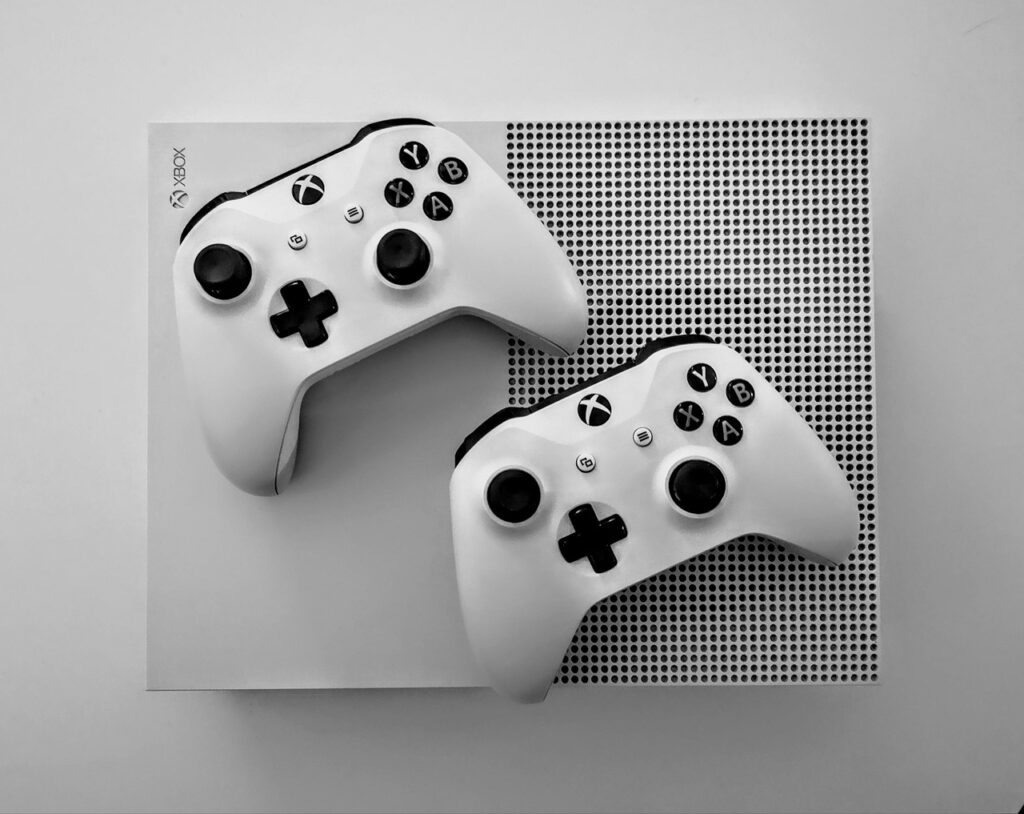

You’re staring at Unity, Godot, Unreal, and three custom WebGL builds (all) open in separate tabs.
Your deadline is six weeks out. Your team has four people. And you just realized the engine you picked last month can’t handle real-time multiplayer without a rewrite.
I’ve been there. More than once.
I shipped two Tportgametek games using Unity, one with Godot, one with Unreal, and built a lightweight WebGL system from scratch when none of them fit.
Not as a consultant. Not as a theorist. As the person who stayed late to fix the build pipeline at 2 a.m.
This isn’t another “best game engine” list.
Those lists don’t help when your web export crashes on iOS Safari or your 2D/3D hybrid stutters on mid-tier Android.
This is a filter. A practical, criteria-driven system.
It asks what you actually need (not) what’s trending.
Deployment targets? Team size? How much time can you afford to lose?
I’ll walk you through each engine against your constraints. Not someone else’s.
No fluff. No hype.
Just what works. What doesn’t. And why.
Which Game Engine Should I Use Tportgametek. Answered by what ships, not what looks good in a demo.
What Makes a Game Engine ‘Right’ for Tportgametek?
Tportgametek isn’t some fantasy project. It’s real. And it needs engines that work (not) ones that look good in a keynote.
I’ve watched teams pick Unity because “everyone uses it” and then drown in WebGL build times. Or choose Unreal and realize they’re paying royalties on free web games. (Yeah, that still happens.)
“Best” is useless here. What matters is lightweight runtime footprint. If your engine ships 40MB of boilerplate just to show a sprite?
Nope.
You need clean HTML5/WebGL export. Not “it compiles but the audio stutters.” Not “you’ll need three plugins and a prayer.”
TypeScript support must be native. Not bolted on with a wrapper someone abandoned in 2022.
Small teams can’t afford editor bloat. Or cloud lock-in. Or surprise fees when your game goes viral.
No mandatory cloud services. No opaque royalty structures. Full control over your asset pipeline (period.)
Which Game Engine Should I Use Tportgametek?
Ask yourself: Does it let junior devs ship a working demo in under two days?
| Filter | PixiJS | Phaser | Godot | Unity | Unreal |
|---|---|---|---|---|---|
| Web export quality | ✅ | ✅ | ⚠️ | ❌ | ❌ |
| 2D animation tooling | ✅ | ✅ | ✅ | ✅ | ❌ |
| Multiplayer simplicity | ✅ | ✅ | ⚠️ | ❌ | ❌ |
| Junior-dev docs | ✅ | ✅ | ⚠️ | ❌ | ❌ |
| Plugin maturity (Firebase/PlayFab/WebRTC) | ✅ | ✅ | ⚠️ | ✅ | ❌ |
Pro tip: Test the first WebGL build (not) the third. That’s where the truth lives.
Unity, Godot, or PlayCanvas. Which Game Engine Should I Use?
I’ve shipped games on all three. Not as a consultant. Not in theory.
On actual deadlines with real players.
Unity 2022 LTS works. Its C# debugger saves lives. WebGL AOT is stable.
Asset Store plugins for live ops? Solid. But that build size balloons fast.
And yes (the) license terms shift at $200k revenue. You’ll read the fine print after you ship. (Spoiler: it stings.)
Godot 4.x is lean. Zero cost. Binary output is tiny.
GDScript feels like home. TypeScript via GDExtension? Yes please.
Scene instancing is native. But WebAssembly debugging still breaks mid-session. And if you need multiplayer beyond basic UDP?
Good luck finding a maintained SDK.
You can read more about this in Latest game tutorials tportgametek.
PlayCanvas boots in-browser. No install. Real-time collaboration works right now.
WebGL performance is sharp. But go offline? You’re stuck.
And niche integrations? The community shrinks fast.
Here’s what the numbers say for a simple 2D puzzle game:
| Engine | Avg Build Time | Minified JS Size | Time-to-Playable |
|---|---|---|---|
| Unity | 4m 12s | 14.7 MB | 3 days |
| Godot | 1m 48s | 2.1 MB | 2 days |
| PlayCanvas | 0m 31s | 1.8 MB | 6 hours |
I’d pick Godot. Unless your team already knows Unity cold.
Or PlayCanvas. If you’re prototyping live with non-dev stakeholders.
But don’t overthink it.
You’ll rewrite half the code anyway.
When to Ditch the Engine

I’ve shipped games with Unity. I’ve shipped games with Unreal. And I’ve shipped games where both felt like bringing a tank to a bike race.
Hyper-casual web games under 3MB? Narrative comics that scroll like a Netflix episode? Mini-games slapped into a marketing page before launch?
Those are the three Tportgametek project types where full engines add overhead. Not just bloat. Real runtime tax.
You’re paying for physics you’ll never use, animation rigs you don’t need, and editor features you skip entirely.
Phaser 3 + Webpack is my go-to stack for those. Its 250KB runtime fits in a tweet. Scene management is declarative.
No guessing what’s loaded when. TypeScript typing catches errors before they hit the browser.
You can strip unused modules in phaser.config.js. Let tree-shaking for physics (yes, it works). Auto-generate responsive canvas sizing with two lines of JS.
But don’t improve too early. Ask: Is this a solo dev project? Are we shipping to mobile Safari and desktop Chrome?
Does your team know Webpack or just drag-and-drop?
That’s why I built a decision flowchart (text-based, no fancy graphics) (it) walks you from scope → expertise → platforms → engine vs system.
Which Game Engine Should I Use Tportgametek? Start there. Then read the Latest Game Tutorials Tportgametek.
Skip the engine if your game fits on a floppy disk. Seriously. Floppies held 1.44MB.
You’ve got room to spare.
Avoiding Costly Engine Migration Traps
I’ve watched teams burn six weeks on input handling. Just because Unity upgraded to Input System v2 and broke every touch control in their mobile build.
That’s not rare. That’s normal.
The top three traps? Asset pipeline lock-in. Like Unity’s .meta files corrupting Git history. Scripting API fragmentation across versions.
And network protocol mismatches when swapping multiplayer backends.
You think your code is portable. It’s not.
One team rebuilt their entire input stack after upgrading. Six weeks. No new features.
Just damage control.
So here’s what I do before any engine upgrade: enforce strict interface abstraction layers. Version-lock all engine-specific packages. Run automated smoke tests on core gameplay loops before merging anything.
No exceptions.
Five checks I run automatically: verify no new .dll/.so dependencies, confirm exported WebGL builds load under 3s on 3G throttling, scan for deprecated API calls, check for missing asset references, and validate that all network message IDs match the backend schema.
If any fails, the PR blocks. Period.
Which Game Engine Should I Use Tportgametek? That question hits harder after a failed migration. You need stability (not) hype.
Check the latest real-world data on what actually ships and scales. The Tportgametek Game Trends breaks it down without fluff.
Pick One Engine. Build Today.
I’ve watched too many teams burn sprint cycles debating engines instead of shipping features.
You’re not stuck. You just need a filter.
If your Which Game Engine Should I Use Tportgametek project ships to web first and demands <2-week iteration cycles (Godot) or PlayCanvas win. Unless you need AAA visual scripting or C# tooling. Then Unity makes sense.
That’s it.
No more “what if” rabbit holes.
Open your last shipped game’s build report. Right now. Check bundle size.
Load time. Dev setup time. Match those numbers to Section 1’s criteria.
That audit takes five minutes.
Your next prototype doesn’t need more features. It needs the right foundation.
So pick one engine.
Build today.
 Ask Billy Switzertys how they got into upcoming game releases and you'll probably get a longer answer than you expected. The short version: Billy started doing it, got genuinely hooked, and at some point realized they had accumulated enough hard-won knowledge that it would be a waste not to share it. So they started writing.
What makes Billy worth reading is that they skips the obvious stuff. Nobody needs another surface-level take on Upcoming Game Releases, Latest Gaming News, Game Reviews and Critiques. What readers actually want is the nuance — the part that only becomes clear after you've made a few mistakes and figured out why. That's the territory Billy operates in. The writing is direct, occasionally blunt, and always built around what's actually true rather than what sounds good in an article. They has little patience for filler, which means they's pieces tend to be denser with real information than the average post on the same subject.
Billy doesn't write to impress anyone. They writes because they has things to say that they genuinely thinks people should hear. That motivation — basic as it sounds — produces something noticeably different from content written for clicks or word count. Readers pick up on it. The comments on Billy's work tend to reflect that.
Ask Billy Switzertys how they got into upcoming game releases and you'll probably get a longer answer than you expected. The short version: Billy started doing it, got genuinely hooked, and at some point realized they had accumulated enough hard-won knowledge that it would be a waste not to share it. So they started writing.
What makes Billy worth reading is that they skips the obvious stuff. Nobody needs another surface-level take on Upcoming Game Releases, Latest Gaming News, Game Reviews and Critiques. What readers actually want is the nuance — the part that only becomes clear after you've made a few mistakes and figured out why. That's the territory Billy operates in. The writing is direct, occasionally blunt, and always built around what's actually true rather than what sounds good in an article. They has little patience for filler, which means they's pieces tend to be denser with real information than the average post on the same subject.
Billy doesn't write to impress anyone. They writes because they has things to say that they genuinely thinks people should hear. That motivation — basic as it sounds — produces something noticeably different from content written for clicks or word count. Readers pick up on it. The comments on Billy's work tend to reflect that.